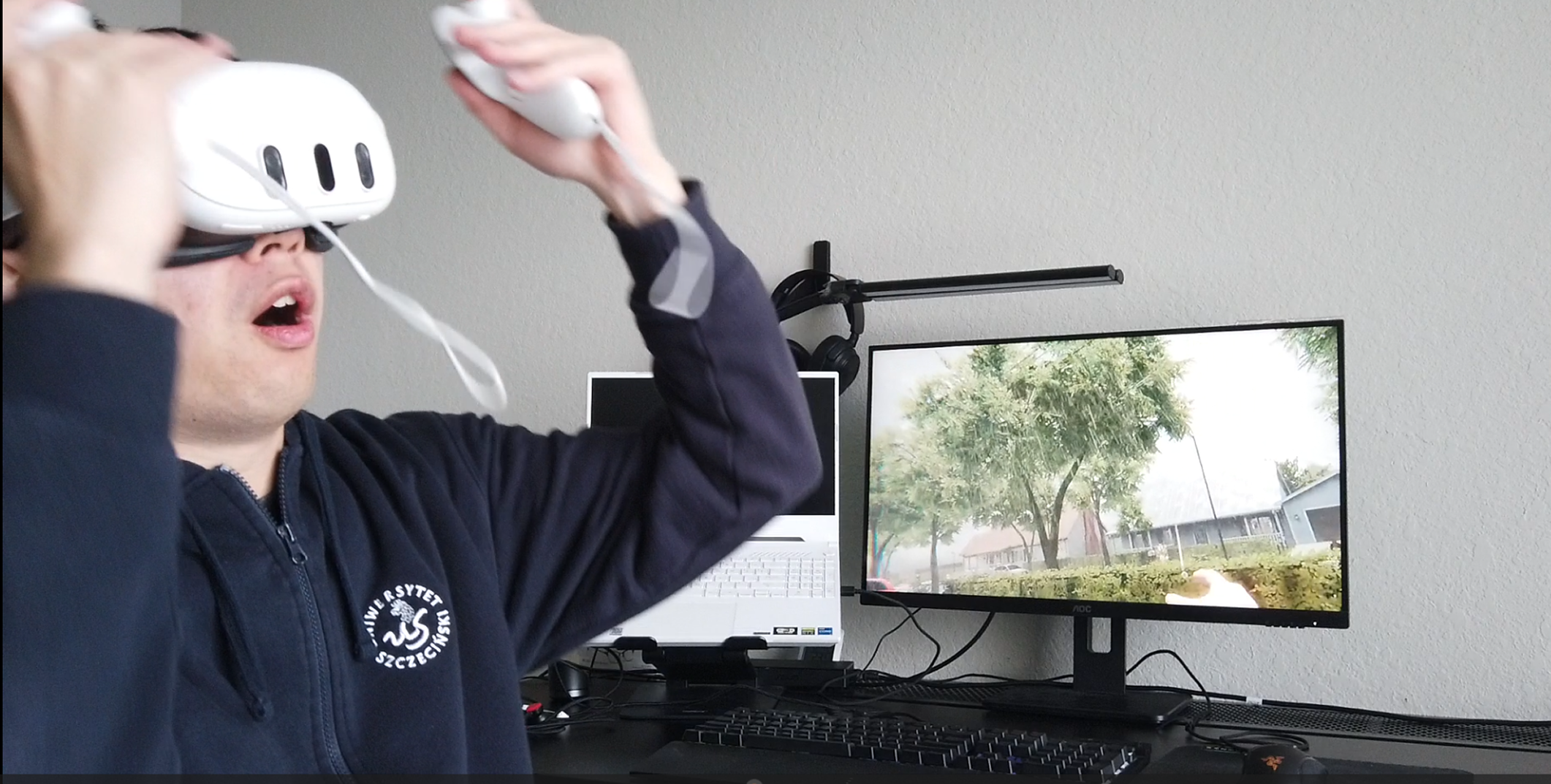
Trailer & Gameplay Highlights
INTRODUCTION
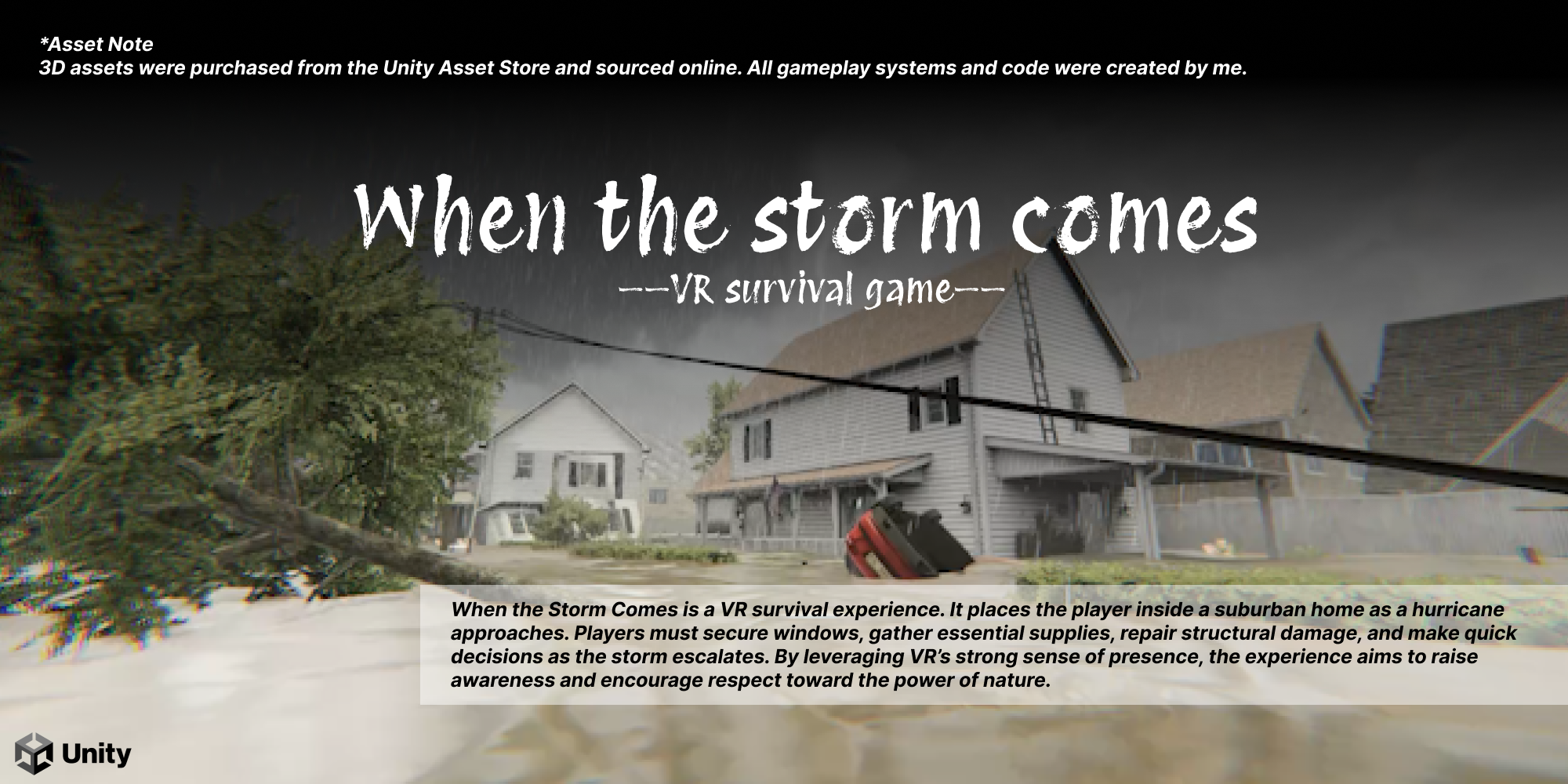
When the Storm Comes is a VR survival experience. It places the player inside a suburban home as a hurricane approaches. Players must secure windows, gather essential supplies, repair structural damage, and make quick decisions as the storm escalates. Using VR’s strong sense of presence, the game aims to raise awareness of nature’s power.
Interaction Highlights
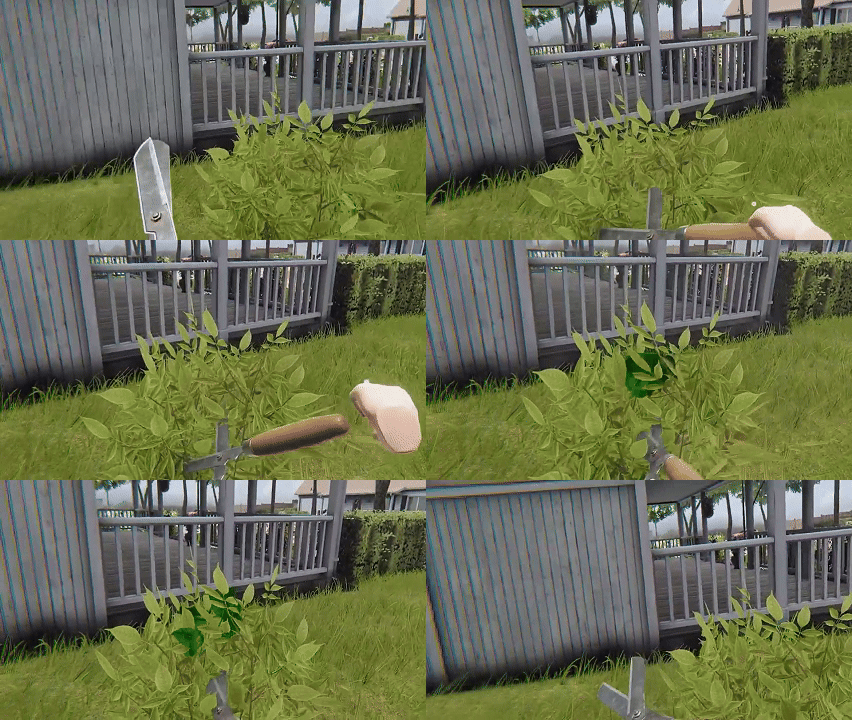
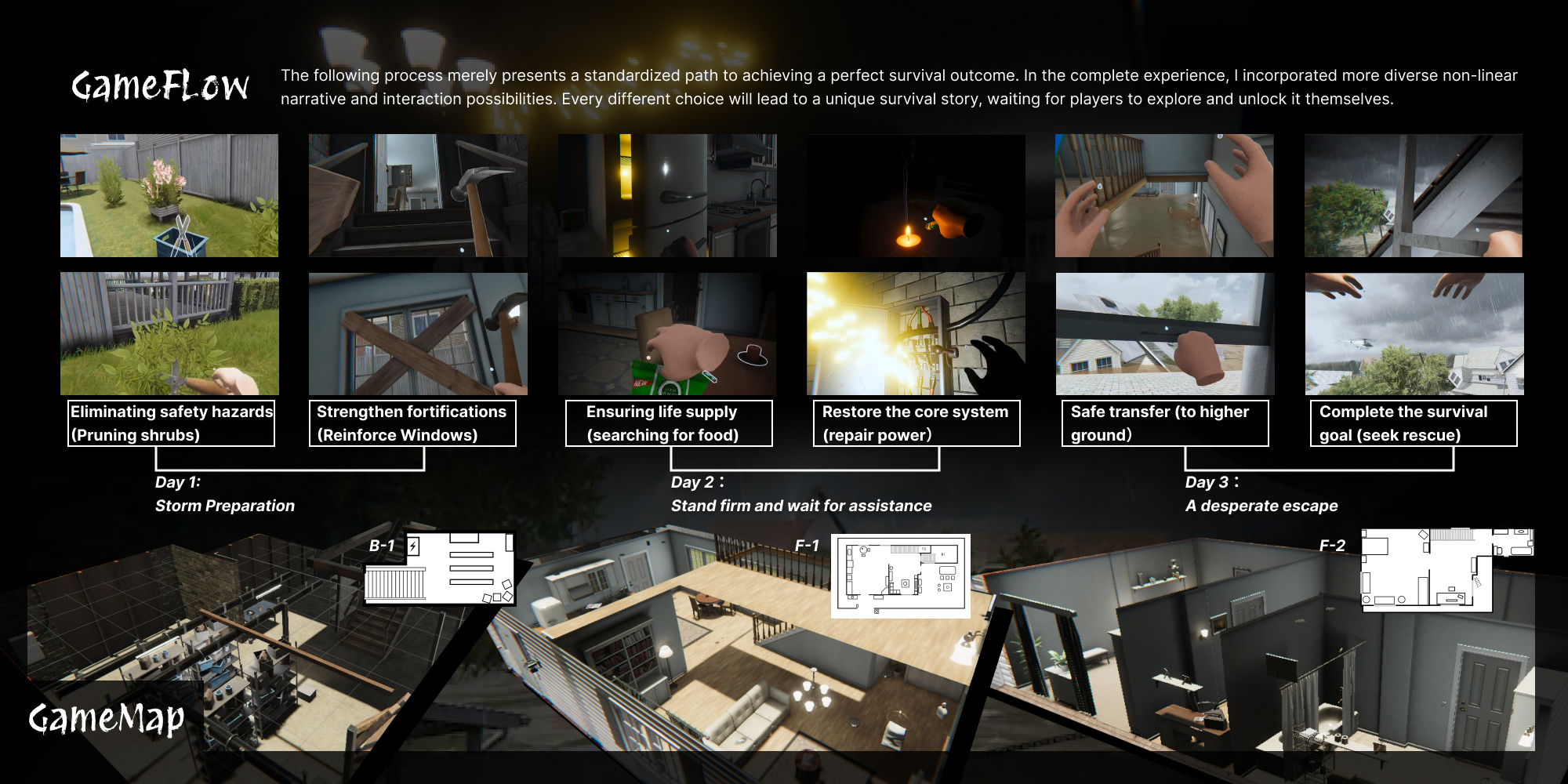
Trimming the Lawn
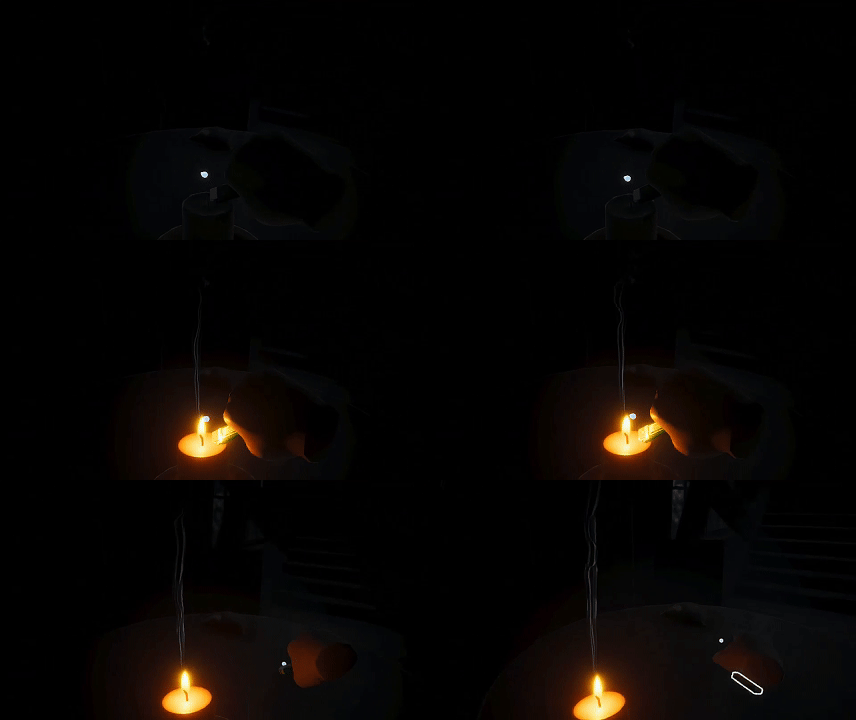
Lighting Candles
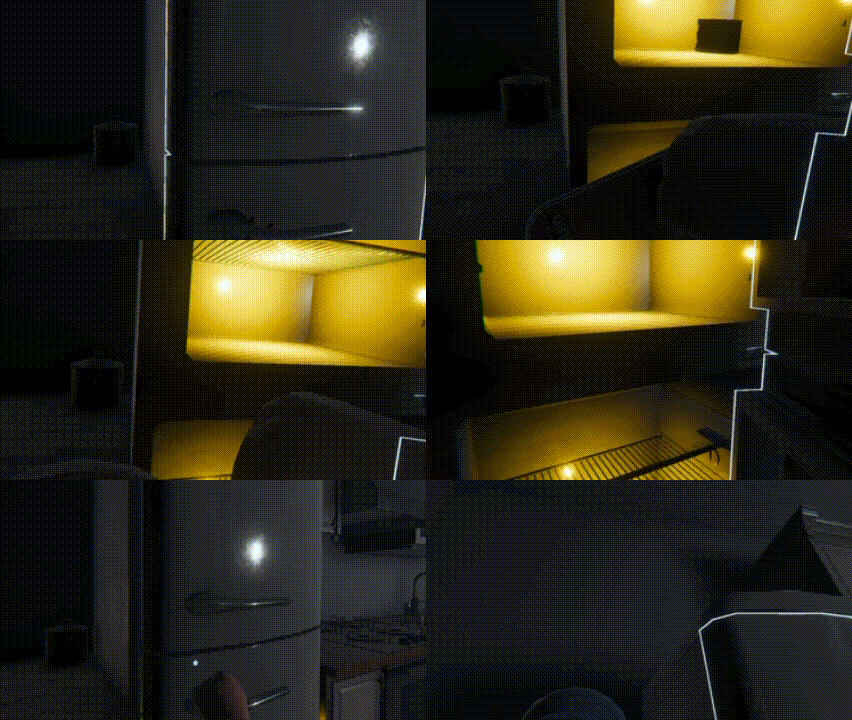
Fridge & Food Spoilage
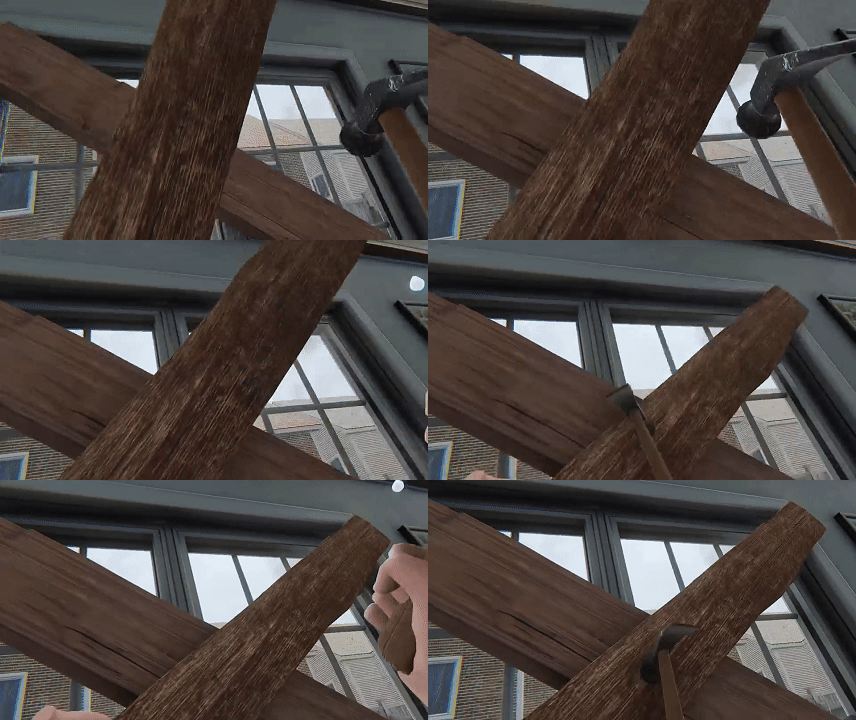
Boarding the Windows
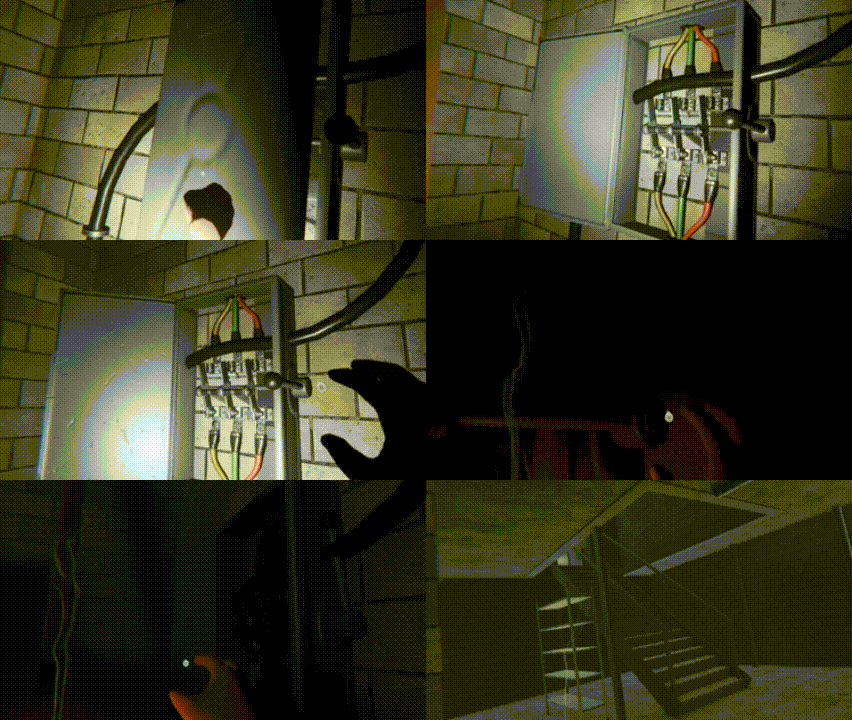
Breaker Reset
Survival System
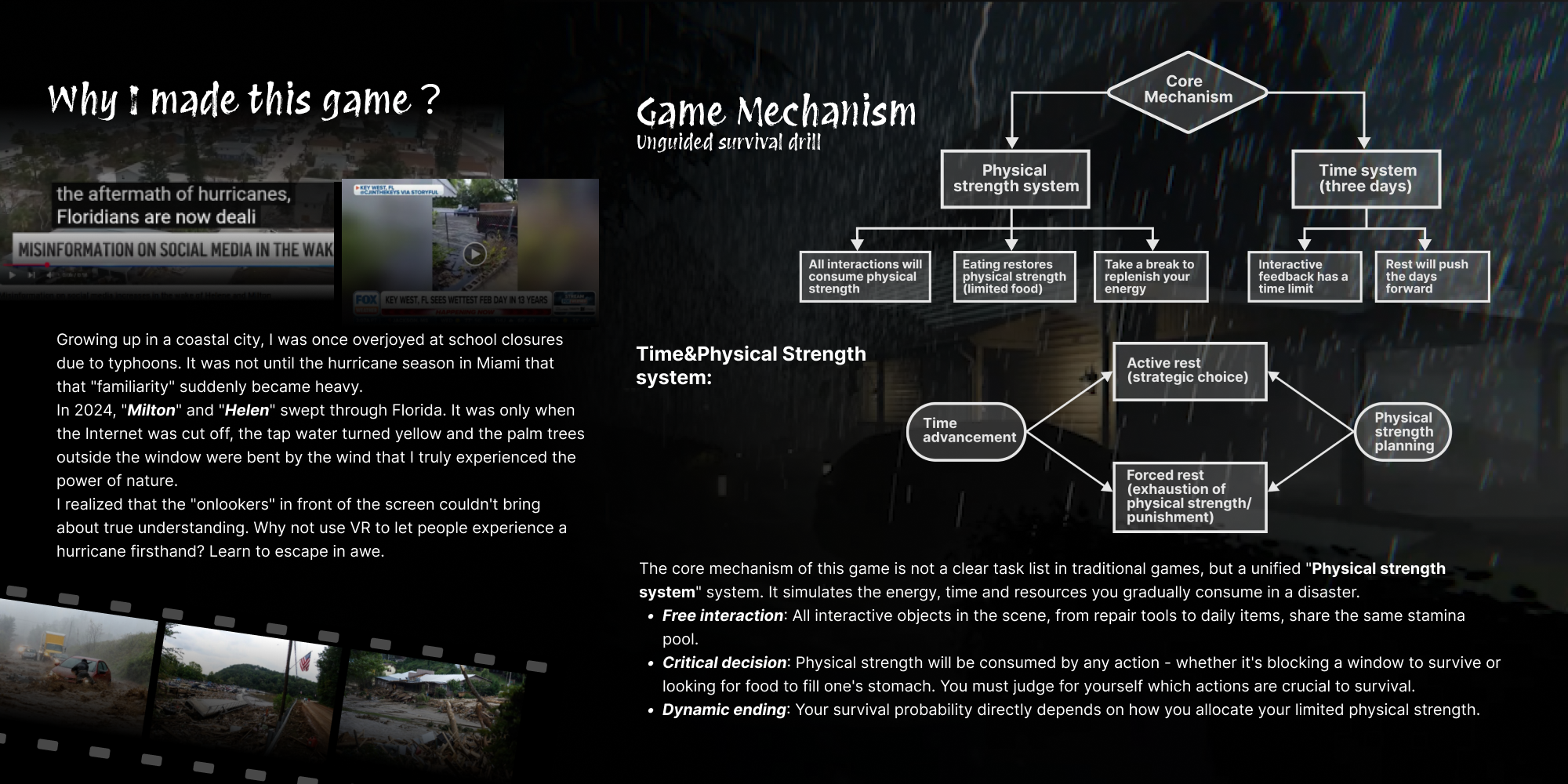
Survival centers on stamina management. Repairing, exploring, climbing, and scooping floodwater all consume it. Food restores energy but spoils without power, while flashlights drain battery as rising water reduces safe space. Timing is crucial, and early decisions ultimately determine whether the player escapes or fails.
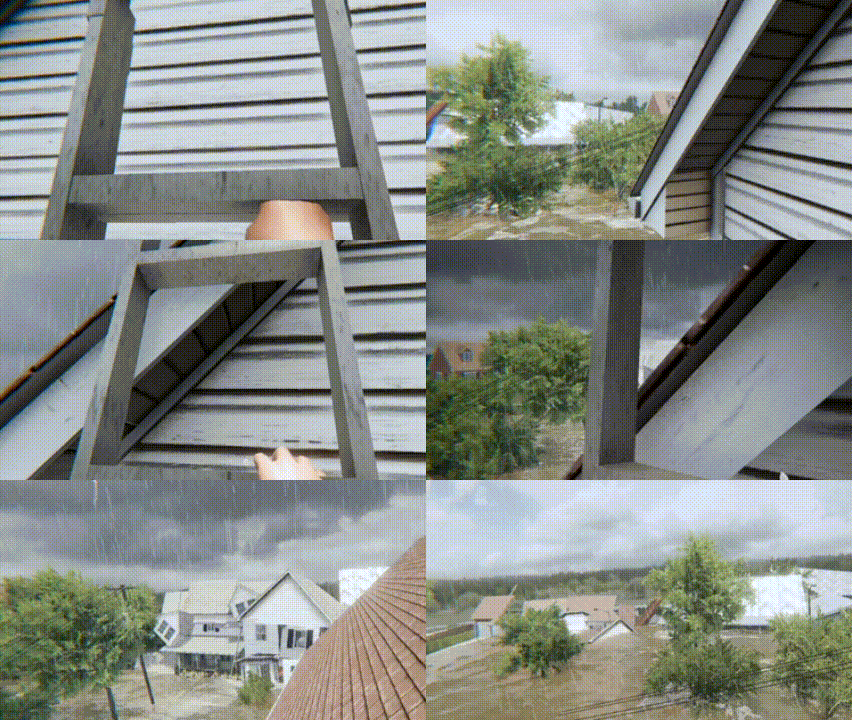
Rising Water & Ladder Climb
Main Endings
What Will You Save?
As floodwaters reach the stairwell on Day 2, players may return to the bedroom for a symbolic item or leave everything behind. These choices do not encourage unsafe behavior and do not affect the story’s outcome, but they add emotional depth to the final moments of evacuation. Retrieving items takes valuable time during the rising flood, and any delay can increase the risk of failure.

Bible
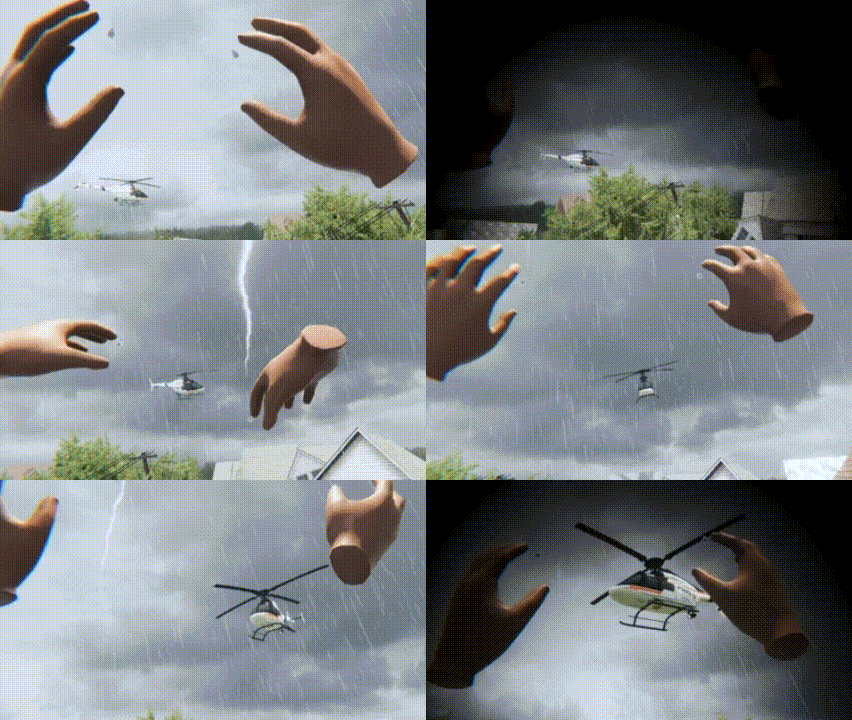
Helicopter Evac (Good Ending)
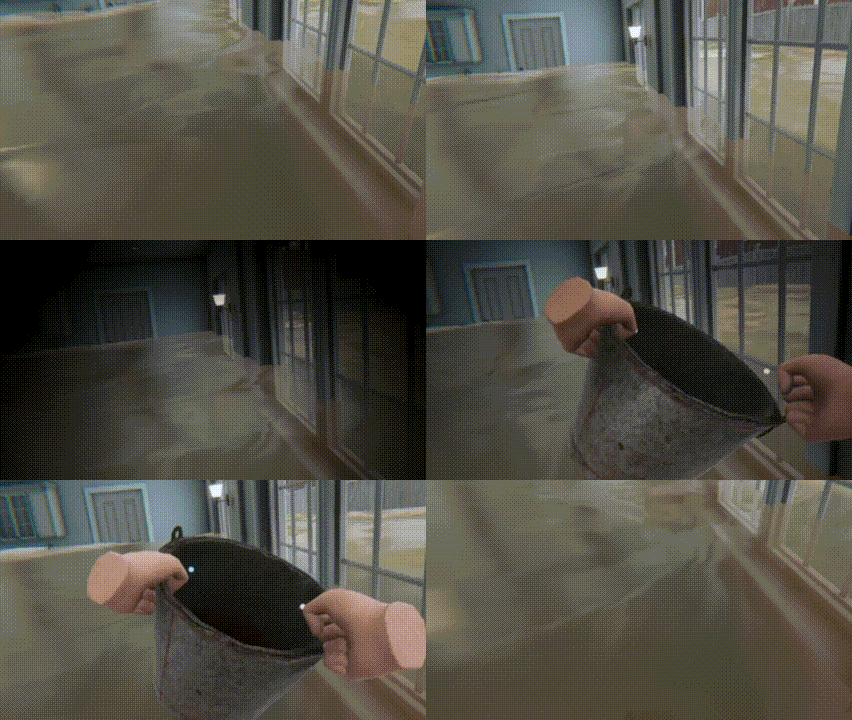
Scooping Water Delays Drowning
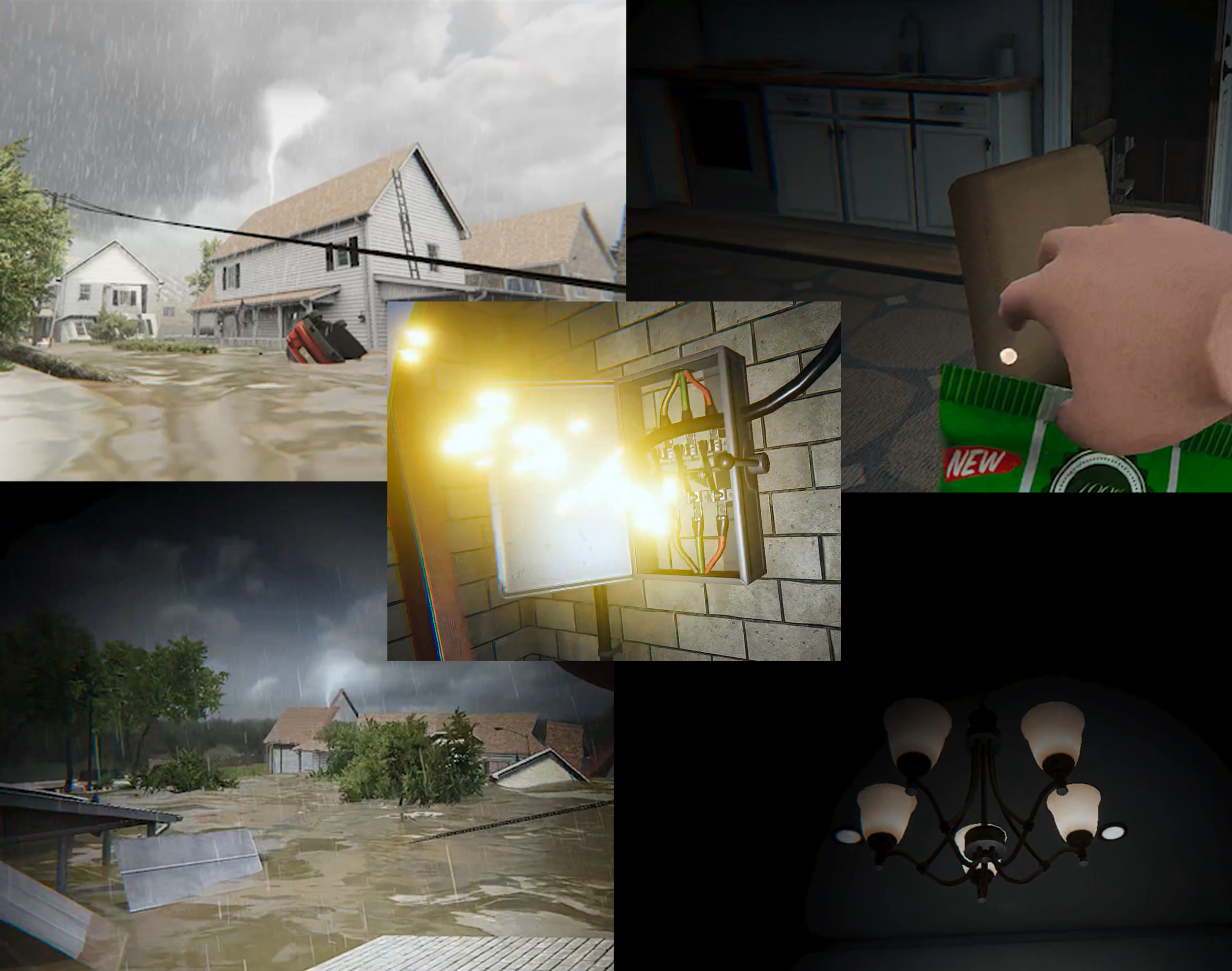
Last-Minute Choices

Emergency Cash
Bad Endings
Electrocution: restored power too late, water reached the breaker
Starvation: did not secure or ration food in time
Infection: ate spoiled refrigerator food after blackout
Exhaustion: failed to rest or overworked survival tasks
Drowning: failed to reach rooftop in time and drowned in the rising flood
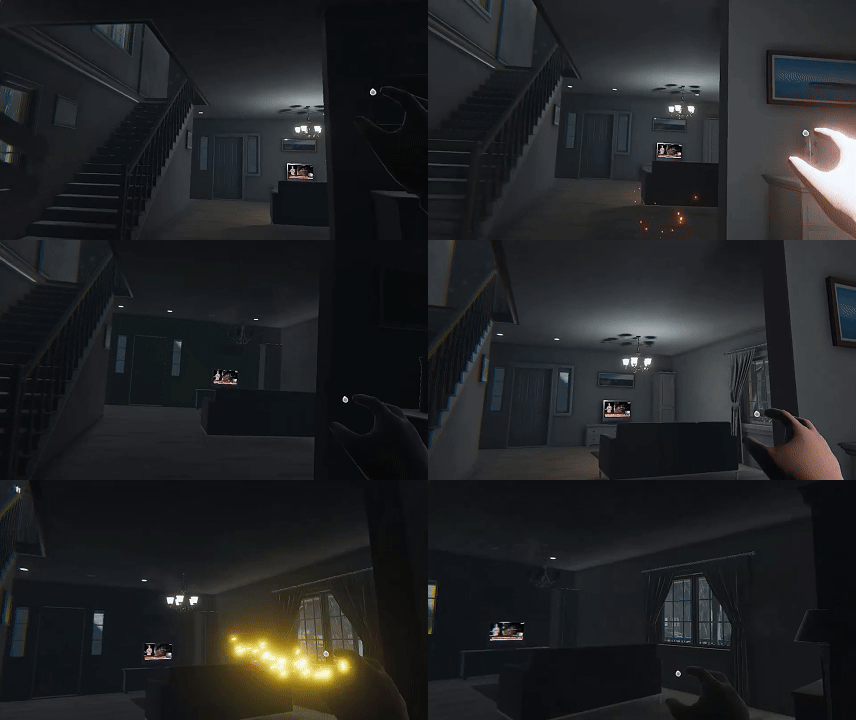
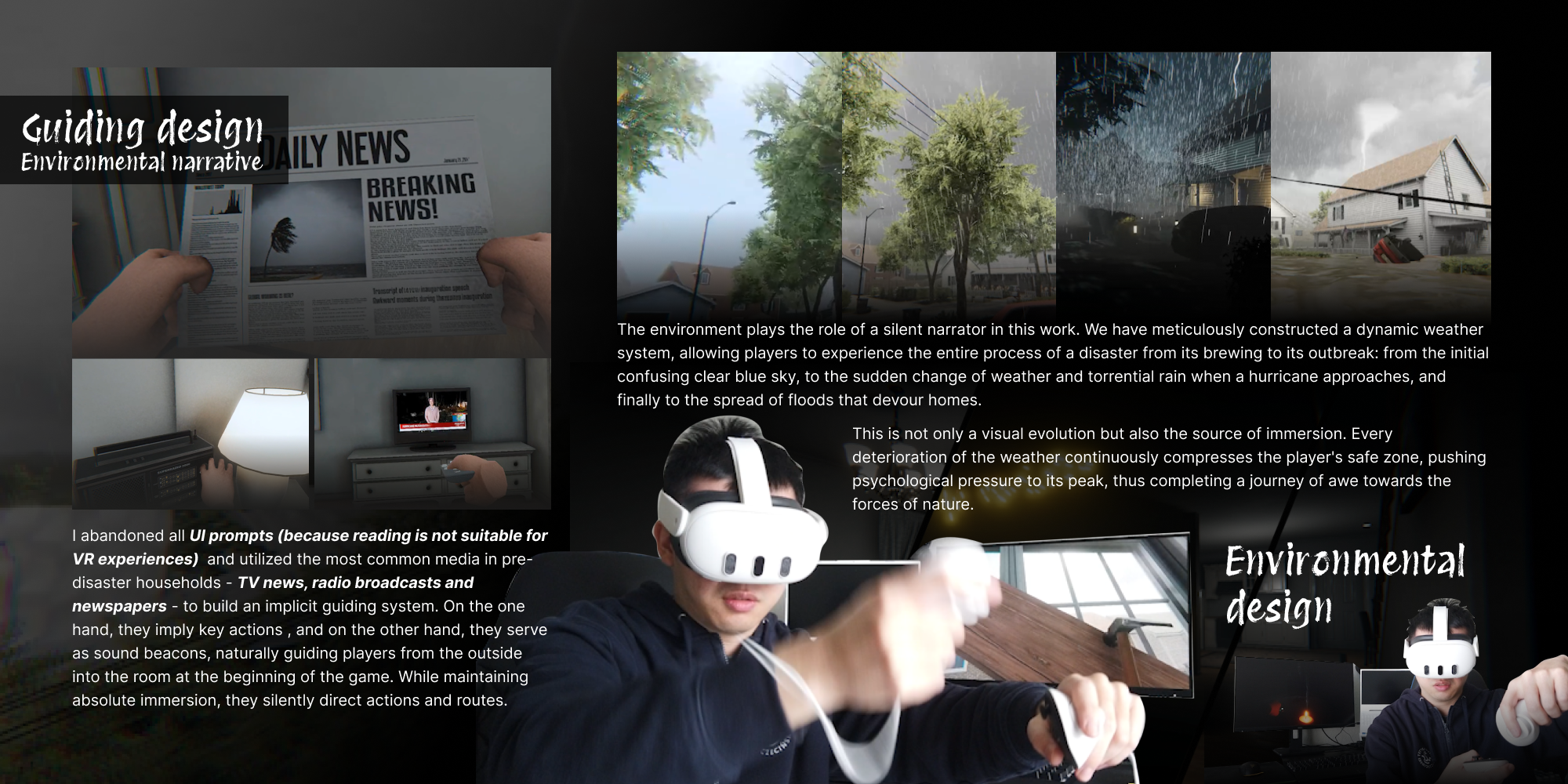
Power Outage

Flashlight Battery Drain
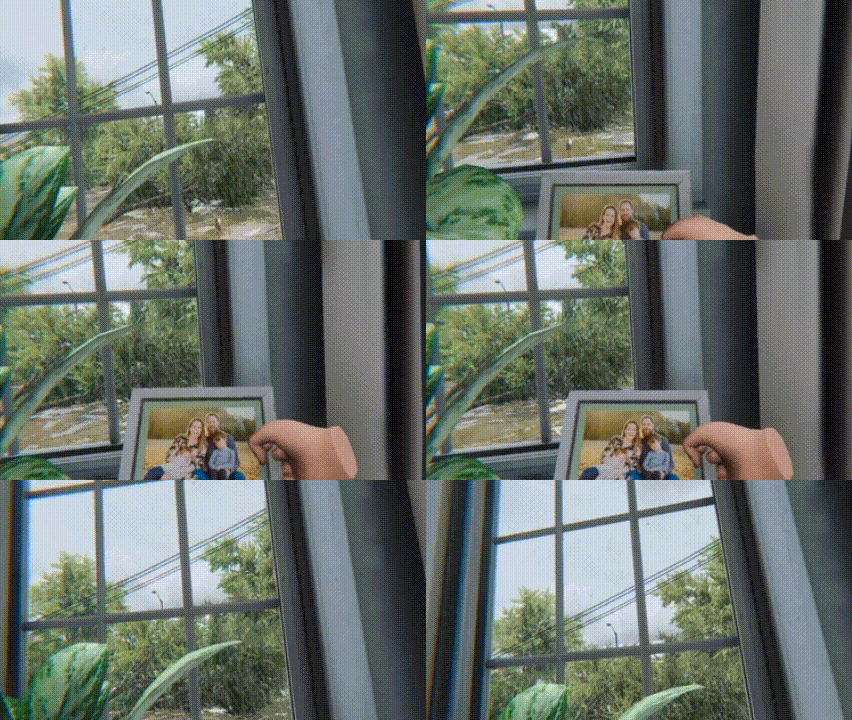
Family Album
Development Details
Reflection
This project explores a stamina-driven survival system designed to create a sense of urgency and resource tension. I found that the interconnected mechanics, such as food spoilage, limited battery life, power outages, window boarding, and rising water levels, effectively reinforce the pressure of decision-making while supporting the project’s educational goals.
Reflecting on the process, I also realized VR’s unique value in simulating otherwise inaccessible situations and in fostering awareness and empathy. The DICE framework helped guide my design decisions, and working with a hurricane scenario taught me how immersive tension can strengthen educational content and how gameplay and learning goals can reinforce each other to create a lasting impact.